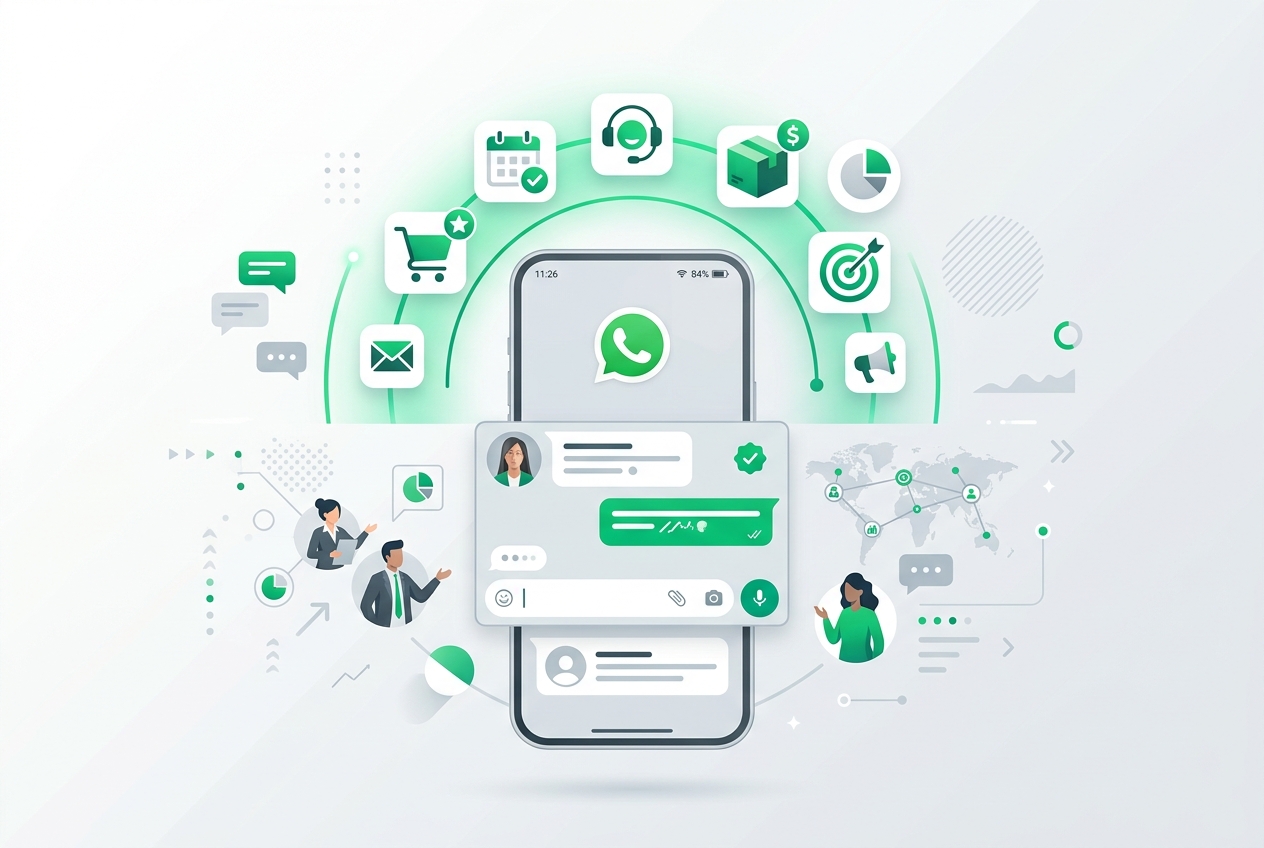
The rise of WhatsApp has been so quiet and understated that it has emerged as one of the most powerful business communication tools of the decade. Beginning with an innocent messenger tool designed to facilitate communications among friends and family members, WhatsApp has grown into a platform for customer engagement and by 2026, not using it will put you at a disadvantage.
As there are more than 3 billion WhatsApp users around the world, it is almost impossible for a brand not to take advantage of such a platform for engaging and communicating with their customers. Introduction of WhatsApp for business communication has really revolutionized the way businesses communicate with their customers.
WhatsApp Business: The Emergence of a Powerful Communication Channel

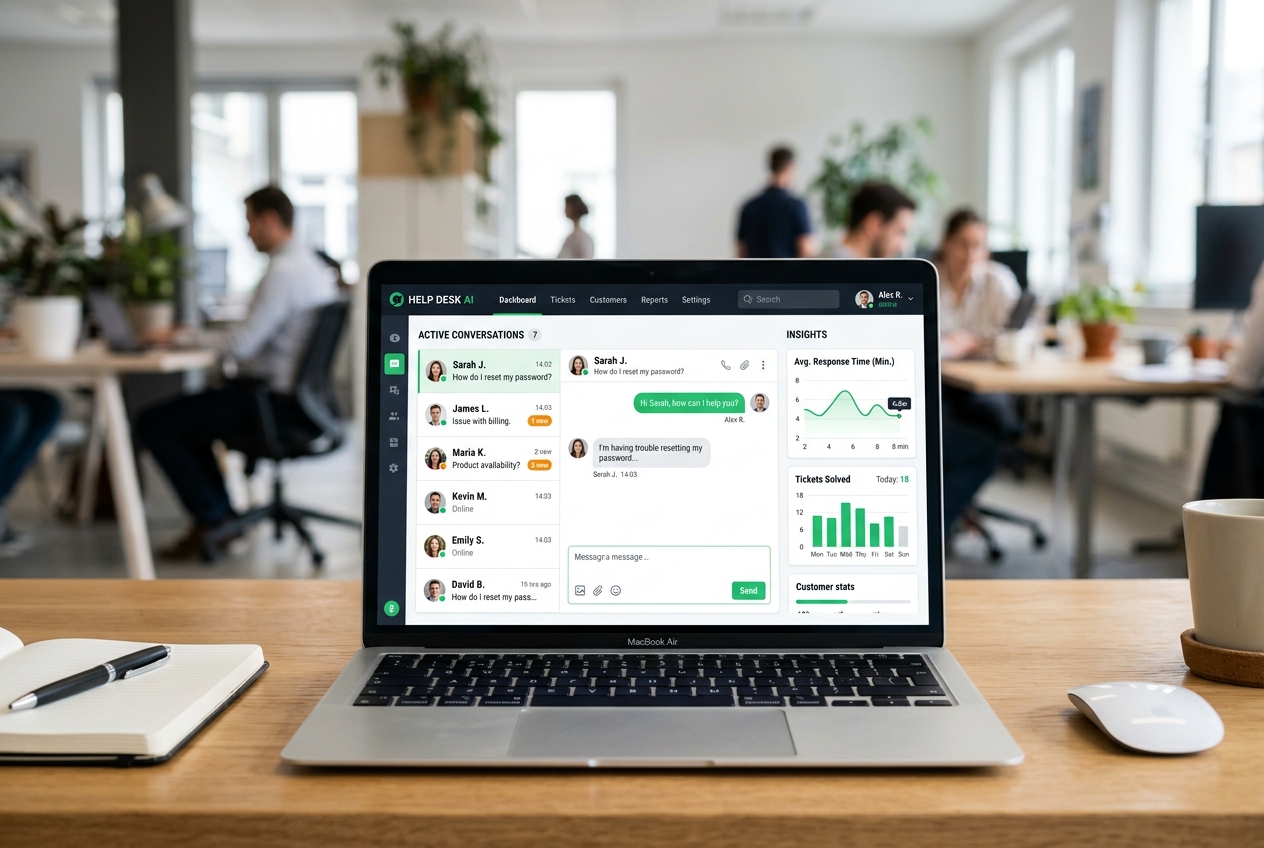
Today's customers demand interaction and not communication, and WhatsApp Business allows them to interact in a personal manner.
A few reasons this shift has accelerated:
- High open rates. Messages on WhatsApp are read within minutes, far outperforming email open rates.
- Two-way communication. Unlike SMS blasts, WhatsApp allows genuine back-and-forth conversations.
- Trust and familiarity. Most customers already use WhatsApp daily, so brand messages feel less intrusive.
- Rich media support. Businesses can share images, PDFs, videos, and interactive buttons — not just plain text.
Key Advantages of Using WhatsApp For Business
1. Immediate and Personalized Customer Engagement
WhatsApp allows businesses to shift from generalized messages and engage in personalized messaging. The ability to get all information about customers and previous conversations helps to recommend suitable products and solve problems faster.
2. Cost-Efficient Customer Service
WhatsApp communication is an effective way to reduce the reliance on a call center. Automated replies, FAQ section, and triage performed by chatbot take care of common requests, leaving the most complicated tasks for agents, which helps to save costs and increase the speed.
3. Higher Conversion Rate
Since all the conversations are conducted in real-time mode, businesses have the opportunity to assist their clients from the stage of query to completing purchases without any delays. Reminding about abandoned carts, sending orders confirmation and sending offers through WhatsApp has much more success than emails.
4. Automation That Retains Human Element
Nowadays, there are lots of features of WhatsApp Business like chatbots, automation of workflows and integration with CRM system that allow businesses to scale up conversations without losing humanity. All routine requests are performed automatically, while difficult questions are referred to human operators.
5. International Presence
WhatsApp communication helps to communicate internationally with low data costs, which makes it very convenient for multilingual companies. Localized messaging, offers in the proper currency and regional catalogues can be easily arranged.
Practical Use Cases for Businesses in 2026
Customer Support & Service
Businesses use WhatsApp to handle order tracking, returns, troubleshooting, and general queries often resolving issues in a single conversation thread instead of repeated email chains.
Marketing & Promotions
Segmentation of broadcast messages, customized product recommendations, and time-limited promotions will help companies build engagement with customers without appearing spammy on condition that the customer consent is obtained properly and the frequency of messaging is reasonable.
Appointment Booking & Reminders
Hospitals, salons, educational institutions and others use WhatsApp for sending reminder about their upcoming appointments and offering scheduling options and thus reducing the number of no-shows.
E-commerce & Catalogs
Using the catalog functionality of WhatsApp, businesses can display their products within chat and let customers browse the items, ask questions, and buy goods right there.
Feedback & Post-Sale Engagement
Asking for feedback shortly after a purchase will provide valuable insight and also keep your business-related interaction going.
Best Practices for WhatsApp Business Success
- Obtain explicit opt-in consent before starting any messaging to keep good relations and stay compliant.
- Find the balance between automation and human support. Chatbots will work great for fast responses while complicated issues still require live support.
- Provide short, clear, and useful messages, avoiding too promotional tone.
- Use rich media wisely. The images and buttons should clarify the message, not complicate it.
- Keep an eye on response time since delay in replies is one of the biggest disadvantages of WhatsApp.
Why This Matters More Than Ever in 2026
Customers' requirements for fast and conversational communication changed forever. Companies that consider WhatsApp only as a channel for broadcasting lose the opportunity to benefit from its true potential. Businesses that invest in structured and properly-managed strategies for building relations via WhatsApp see the tangible results.
Final Thoughts
For today, WhatsApp has become an integral part of the customer engagement strategy. The organizations which make optimum use of WhatsApp through the perfect blending of automation and interaction would have the chance to create lasting relationships with their customers even in 2026 and beyond.
To implement a WhatsApp strategy for your company in the most efficient way possible, you can take the assistance of Converse 360. Converse 360 aids companies in making their WhatsApp strategies.